Pick two provinces
Higher pass rate
Gap
Lower pass rate
National theory average 60.27%
Official MIT data, 2025
Patente Quiz BOfficial MIT data province by province, plus a free mock in the real exam format.
Take the free mock testItaly
60.3% Theory exam pass rate
919,868 tests sat in 2025
Open the province page
Theory exam pass rate, 2025
The bands are fixed, so the map colour matches the legend. The five provinces with no MIT row of their own stay grey.
01. Compare and decide
Pick two provinces
Higher pass rate
Lower pass rate
National theory average 60.27%
Can you sit the test in another province?
02. Learn the rules
Each topic opens on a page with rule, example, figure, article reference, and the traps the quiz tends to set.
Shapes, colours and what each sign means.
6 topics 39 sections 128 questions
Who goes first, at what speed, at what distance.
7 topics 44 sections 151 questions
The vehicle, its load and what to do after a crash.
5 topics 35 sections 110 questions
Licence categories, points and insurance.
2 topics 14 sections 43 questions
03. Practise like the real exam
Readiness check
These criteria are set by this site, not by the exam. They keep a single lucky mock from ending the study too early.
04. The route
Fitness certificate from the ASL or an authorised doctor.
Filed on the Portale dell'Automobilista, through a school or as a privatista.
Thirty statements, twenty minutes, at most three mistakes.
After theory: twelve months and three attempts at the driving test.
Modules A, B, C and D at a driving school, set by DM 294/2025.
Driving test, then the licence.
05. Your situation
 Start here Four questions and a study plan.
  Failed the theory exam What changes and how to resume study.
  Exam in seven days A tight plan for the final week.
  Foreign residents What you need to apply and to sit the test.
  Driving school or privatista Costs, duties and differences.
  Compare two provinces Pass rates side by side.
 06. Practical guides
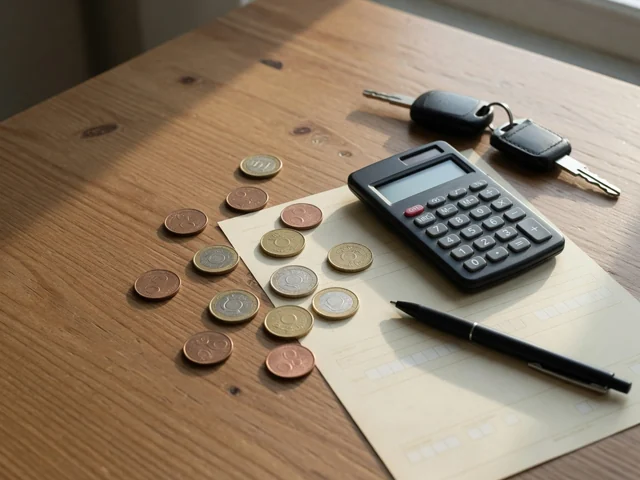 Cost of a patente B PagoPA fees, driving school and medical check.
  Foglio rosa Twelve months and three driving test attempts.
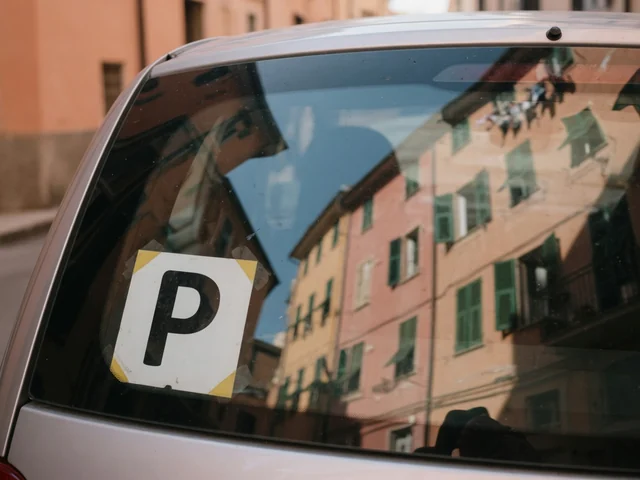
  New drivers Speed, power and zero alcohol rules.
  Points licence How points are lost, regained and checked.
  Licence renewal Deadlines by age, medical and costs.
  Fines and appeals Deadlines to pay less or to appeal.
  Car tax (bollo) Who pays, when, and what happens if missed.
  Documents and deadlines What to prepare and how long each lasts.
 07. Sources and freshness
The province figures come from the MIT report "Esiti Esami 2025", published by the Ministero delle Infrastrutture e dei Trasporti in April 2026 under CC BY 3.0 IT.
Data as of . Source: Ministero delle Infrastrutture e dei Trasporti (MIT).